

Hiring an ethical hacker in France
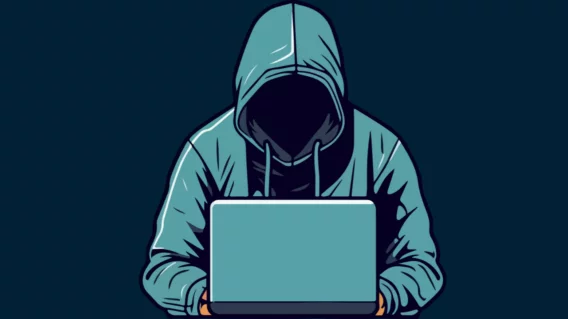
In France, the word hacker often evokes fear. It’s associated with bank account hacking, data theft, or attacks on hospitals. Yet, there’s another reality: that of ethical hackers, also known as white hats. These cybersecurity experts use their skills not to harm, but to protect.
By 2025, cyberattacks in France had exploded: SMEs, local authorities, and even large CAC 40 companies were targeted. Faced with this threat, hiring an ethical hacker is no longer an option, but a necessity. This article explains why, how, and within what legal framework to collaborate with these professionals.
What does hiring a hacker entail? Although quite widespread, hacking and piracy are often analyzed as identical, even though they are quite distinct. They do, in fact, use the same areas of knowledge and the same tools.
Thus, in computer science, hacking is the art and method (the techniques) of bypassing or overcoming security or accessing private or even confidential data. Hacking is a form of “tinkering” often performed by exploiting flaws or vulnerabilities in a system, but it can also involve the ability to manipulate one or more elements, such as hardware, software, or even humans (Social Engineering).
When the use of these techniques is malicious, such as theft or destruction, then we have a simple hack carried out by a pirate or cybercriminal. In the case of server or data destruction, crashes, or denial of service requests (DDoS attacks, etc.), then we are talking about crashes.
Conversely, when the goal is not to cause harm but rather to protect clients and partners by conducting vulnerability or penetration tests (audits, penetration tests, etc.) and/or by participating in security improvements (security measures, staff training, etc.), or following a hacking incident through forensic analysis, then we have Ethical Hacking.
As its name suggests, Ethical Hacking is still, of course, genuine hacking, but practiced in an “ethical” manner by a professional on behalf of their client, in accordance with legal requirements.
What is an ethical hacker?
An ethical hacker is a specialist who tests the security of computer systems with the company’s consent. Their role is to think like a hacker, but act for the greater good.
The three main types of hackers:
White hats (ethical hackers): authorized, legal, and protective.
Black hats (malicious hackers): illegal and destructive.
Grey hats: somewhere in between, sometimes operating without authorization but without criminal intent.
Typical missions in France:
Pentests (penetration tests): simulating an attack to identify vulnerabilities.
Security audits: analyzing networks, servers, and applications.
Awareness: Train teams on digital risks.
Strategic advice: Support management in implementing cybersecurity policies.
Why hire an ethical hacker in France?
- Anticipate cyberattacks
Ethical hackers identify vulnerabilities before they are exploited. Example: A French town hall discovered through a penetration test that its website could be hijacked to steal citizens’ data.
- Comply with regulations
In France, the GDPR mandates strict protection of personal data. Hiring an ethical hacker helps you stay compliant and avoid fines of up to 4% of your revenue.
- Inspire trust
Customers and partners want to know their data is secure. A company that communicates about its cybersecurity audits gains credibility.
- Reduce costs
A cyberattack can cost millions. Prevention through an ethical hacker is much cheaper than remediation afterward.
How to choose an ethical hacker in France?
Check certifications
The most recognized:
CEH (Certified Ethical Hacker)
OSCP (Offensive Security Certified Professional)
CISSP
In France, ANSSI also recommends certain certifications.
Examine experience
Ask for references: completed projects, sectors covered, results achieved.
Evaluate communication skills
A good ethical hacker knows how to explain their findings clearly and concisely to management.
Form a contract
The contract should specify: scope of testing, duration, authorized methods, and confidentiality.
Steps to Hire an Ethical Hacker
- Define your needs: comprehensive audit, application testing, training.
- Write a specifications document: objectives, scope, expected deliverables.
- Select a service provider: freelancer or cybersecurity firm.
- Sign a clear contract: legal framework, responsibilities, confidentiality.
- Monitor the project: regular meetings, detailed final report.
Case Studies in France
SME in Lyon
A Lyon-based online store hired an ethical hacker. Result: A critical vulnerability patched, customers reassured, and increased trust.
Parisian Bank
An ethical hacker simulated an internal attack. The bank discovered that some employees were using overly simple passwords. An awareness campaign was launched.
Marseille Startup
The startup thought it was protected. The ethical hacker found several vulnerabilities in its mobile application. The fixes secured user data.
Limits and Responsibilities
The French Legal Framework
An ethical hacker must act only with authorization. Any action outside of a contract is illegal.
Risks if poorly managed
A fake ethical hacker can exploit access to steal data. Hence the importance of verifying credentials.
Shared responsibility
Cybersecurity doesn’t rest solely on the hacker. Internal teams must adopt best practices: strong passwords, regular updates, and vigilance regarding suspicious emails.
The future of ethical hackers in France
With the rise of AI, 5G, and the Internet of Things, cyberattacks are becoming more sophisticated. Ethical hackers will need to develop new skills.
In France, the ANSSI and the government are already encouraging the training of these experts. Ethical hackers will be at the heart of the national cybersecurity strategy.


 English
  Deutsch
  Italiano
  Français
  Español
  Polski
  Português